Most pilots ask the wrong question about drone insurance.
The question they ask is: “How do I cover my drone if it crashes?”
The question they should ask is: “How do I cover the person on the ground if my drone falls on them?”
In six years of flying drones for clients — government infrastructure, weddings, real estate, commercial work — I’ve only ever carried one kind of insurance: third-party liability. Not equipment coverage. Not hull insurance. Not theft. Liability. The one thing that protects me from the genuinely catastrophic outcome of this work, which is hurting somebody who didn’t ask to be near a drone in the first place.
Here’s the case for why that’s the right call for most working pilots, and the questions to ask before you sign anything.
The two products are not the same thing
When pilots talk about “drone insurance,” they usually mean one of two completely different products, and the conflation costs them money.
Equipment / hull coverage insures your gear. If the drone crashes, the policy pays for repair or replacement. This is what DJI Care Refresh is, in essence — a manufacturer-administered version of hull coverage on a single drone. There are also independent insurance products that cover hull damage on multiple drones across a flying year. I wrote about Care Refresh specifically in this piece.
Third-party liability coverage insures everyone else. If your drone hits a person, damages a car, breaks a window, or causes any other property damage or injury, the policy covers the claim from the affected party. This is the legal coverage. In many countries it’s required by law for any commercial drone work; in others it’s strongly recommended. The risk profile is fundamentally different from hull coverage.
Hull insurance protects your investment. Liability insurance protects your existence as a working pilot. They are not the same product, and they should not be priced the same in your head.
Why liability is the coverage that matters
The math on hull insurance, for a working pilot, is something I’ve already laid out. Treat the drone as a tool with a finite lifespan. Amortize it across a defined number of paying flights (see The 20-Flight Amortization Rule). Price gear loss into your work. Build the business model so that an eventual crash is an inconvenience, not a crisis. Done that way, hull insurance is usually a cost without proportional benefit.
The math on liability insurance is the opposite, and it’s not close.
A drone falls. It hits a guest at a wedding. The guest has a head injury. The hospital bill, the legal settlement, the loss-of-income claim, and the ongoing medical care can run into hundreds of thousands of dollars in many countries. Pilots don’t have that money sitting around. The lawsuit can end your career and your savings simultaneously. There is no equivalent business model that makes you “self-insure” against that outcome — the absolute size of the potential payout is too large for a working pilot to absorb.
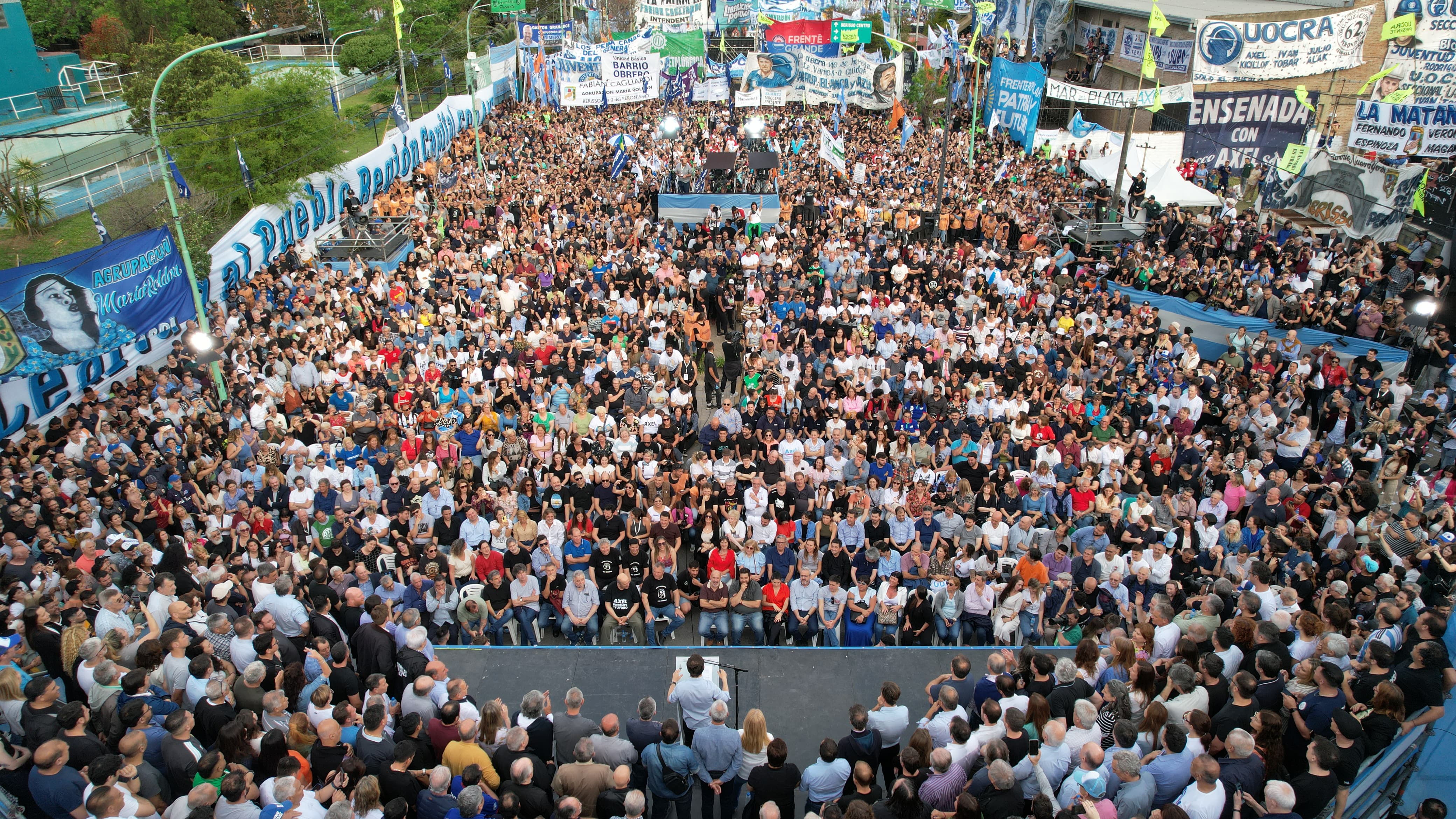
This is the part most pilots don’t internalize until they get close to it: a small, light drone falling from twenty meters can do real damage to a human body. We don’t dimension that risk because we don’t see it happen often. The fact that we don’t see it happen often is precisely why every working pilot needs to be covered for it.
The risk we underestimate the most is the risk of flying over people. The reason we underestimate it is that the bad outcome happens rarely. The reason it stays rare is that pilots who take it seriously fly accordingly.
What “third-party liability” actually covers
A standard commercial drone liability policy covers:
- Bodily injury to people on the ground — the catastrophic case
- Property damage — broken windows, dented cars, damaged buildings, damaged client property
- Legal defense costs — the cost of having a lawyer represent you when a claim is made, separate from the eventual settlement
- Settlements and judgments up to the policy limit — the actual money paid out
What it does not cover:
- Damage to your own drone (that’s hull insurance)
- Damage to property in your direct care/custody/control during the flight
- Intentional damage or gross negligence
- Operations outside the policy’s geographic, altitude, or weight limits
The geographic and operational scope matters a lot. A policy underwritten for “Buenos Aires Province only” doesn’t cover a job in Mendoza. A policy that limits flights to under 120 meters doesn’t cover work that requires waivers above that. Read the scope clauses carefully and check that they match the work you actually do.
The coverage limits to think about
The most-overlooked part of buying liability insurance is the policy limit. The limit is the maximum the insurer will pay on a single claim. Once you hit that limit, you’re on the hook personally for anything beyond.
For most working pilots flying weddings, real estate, and standard commercial work, a liability limit of around $1 million USD or local equivalent is the working floor. That number sounds large — and it should — because the bad outcomes in this work are large. A serious head injury claim can approach that figure on its own, before legal costs.
Higher limits ($2M, $5M) are appropriate when:
- Working with high-value commercial clients (corporate productions, large agencies)
- Flying in dense urban environments with regular crowds
- Operating near infrastructure (pipelines, energy facilities, transit)
- Specific client contracts requiring proof of higher coverage
Lower limits than $1M are usually a false economy. The premium difference between $500K and $1M coverage is small relative to the difference in actual risk exposure. Don’t save fifty euros a year to be uninsured against the half-million-dollar claim.
What I actually carried
For most of my career flying for clients, I’ve held a single policy:
- Third-party liability only — no hull, no equipment, no theft
- Around $1M USD equivalent in coverage limits
- Argentina-scoped, covering paid commercial work in the Buenos Aires Province area where I primarily operate
- Renewed annually, with documentation of major bookings (so the insurer understands my actual flight envelope)
During my time as the official filmmaker for the Buenos Aires Province government, the gear was insured by the State and the institutional liability was carried at the agency level — but I held my own personal liability policy in parallel for any independent commercial work I did during that period. Doubling up isn’t unusual for pilots who work both salaried and freelance simultaneously.
I have never made a claim. That’s the goal. The point of liability insurance isn’t to use it; it’s to be covered if you ever need to.
How to choose an insurer
Five questions to ask before you sign anything.
1. Does the policy cover the specific operations you actually do?
Read the operational scope. Day flights only? Night flights with waiver? Indoor flights? Over crowds? Above 120m with authorization? The answers should match what your work actually involves, not the hypothetical work the insurer expects.
2. Does it cover the specific drones you actually fly?
Some policies cap the insured weight class. Some exclude FPV. Some require you to declare each drone individually. If you fly more than one drone (most working pilots do — Mavic + Mini, or Mavic + Avata, or whatever your stack is), make sure all of them are covered.
3. What’s the claim process actually like?
Ask for a description of how a hypothetical claim would be processed. Who responds? How fast? What documentation is required? Does the insurer have direct experience with drone claims, or are they treating it as adjacent to general commercial liability? Drone-specialist insurers know how to handle these claims; general commercial insurers sometimes don’t.
4. What’s excluded?
Read the exclusions. Pay attention to: gross negligence definitions, alcohol/medication clauses, equipment-care language (does damage to client property “in your direct control” mean you can’t claim if the drone hits a piece of gear at the venue?), pre-existing damage clauses, and any geographic or altitude restrictions.
5. Is the underwriter actually solvent and responsive?
A cheap policy from an insurer that disappears the day you need to claim is worth nothing. Check the underwriter’s history with drone claims. Ask other working pilots in your network whether they’ve had positive or negative claims experiences with the same provider. The drone insurance market is small enough that reputation travels quickly.
The pre-flight insurance check
A small habit I’ve adopted that’s saved me anxiety: before any commercial booking, I confirm three things.
- My liability policy is current (not expired)
- The policy covers the operation type (commercial wedding, real estate, etc.)
- The geographic scope covers the venue (Argentina, the specific city, etc.)
This takes thirty seconds and it’s part of my pre-flight ritual now, alongside checking the drone batteries and the SD card. The exercise has saved me twice from arriving at a job to realize I was technically uncovered for what I was about to do — small admin mistakes, easy to fix, but only if you catch them before takeoff.
The bottom line
Most pilots think about drone insurance as a way to protect their gear. That framing is the wrong one. The right framing is: insurance protects you from the small but catastrophic risk of harming someone you didn’t intend to. Hull coverage is optional and often a poor financial decision. Liability coverage is essential and a comparatively cheap one.
If you’re starting out and you can only afford one insurance product, buy liability. If you’re flying paying jobs and you don’t yet have it, stop reading and call an insurer today. The premium is small. The protection is the difference between a career and a financial disaster.
The drone, statistically, will eventually crash. The math says so. Make sure that when it does, the only thing you’re losing is the drone.